How Power Washing Eliminates Dangerous Richmond Deck Mold
A moldy deck is more than a cosmetic problem. Dark patches, green growth, and slippery boards can make an https://pressurecleaningrichmond.com.au/gutter-cleaning/ outdoor gathering space less inviting and less safe. In Richmond, Virginia, humid summers, frequent rain, and shaded yards create favorable conditions for mold, mildew, and algae on exterior surfaces.
Power washing can remove surface growth and contaminated debris, but successful deck cleaning requires more than forceful water. The safest approach combines a material-appropriate cleaner, controlled rinsing, and moisture management. Understanding that process helps Richmond homeowners protect their decks without damaging wood, composite boards, landscaping, or nearby waterways.
Why Richmond Decks Develop Mold and Algae
Fungal growth needs moisture and a suitable food source. Wood provides organic material, while pollen, leaves, dirt, and other debris can support growth on both wood and composite decking. Richmond’s warm, humid conditions allow these materials to stay damp, particularly where sunlight and airflow are limited.
Decks beneath mature trees often collect leaves between boards and around railings. Furniture, outdoor rugs, planters, and storage containers can trap moisture against the surface. Areas near downspouts or beneath overflowing gutters may remain wet long after the rest of the deck dries.
Composite decking is not immune. Although its resistance to moisture and decay varies by product, organic debris on the surface can still support mold and algae. Cleaning methods must follow the decking manufacturer’s instructions, especially when a warranty applies.
Is the Growth Actually Mold?
Green discoloration frequently involves algae, while dark spotting may involve mold, mildew, weathering, metal staining, or a combination of causes. Color alone cannot identify a microorganism or establish whether it produces toxins. A black patch on a deck does not automatically mean “toxic black mold.”

For routine exterior cleaning, identifying the exact species is usually less important than removing the growth safely and correcting the damp conditions that support it. However, soft boards, persistent musty conditions beneath the deck, or growth extending into an adjoining building warrant closer inspection.

What Makes Deck Growth Potentially Dangerous?
Slippery Walking Surfaces
The most immediate concern is often traction. Algae and other biological films can make deck boards and stairs slippery, especially when wet. Shaded steps, handrail approaches, and paths between a door and the yard deserve particular attention. Cleaning reduces surface buildup, although safe footwear, sound railings, and properly maintained stairs remain important.
Possible Irritation and Allergic Reactions
Mold exposure can cause allergic symptoms or irritation in susceptible people. Individuals with asthma, mold allergies, chronic lung disease, or weakened immune systems may need additional precautions. Outdoor mold is common, and its presence on a deck does not by itself establish a severe health hazard. Nevertheless, unnecessary exposure to disturbed growth and cleaning mist is best avoided.
Keep children, pets, and bystanders away during cleaning. Anyone with relevant health concerns should avoid the work area and seek individualized medical advice when appropriate.
Moisture Problems That Affect the Deck
Surface mold does not necessarily mean a deck is structurally unsound. However, the moisture conditions that support visible growth can also favor wood-decay fungi. Washing cannot restore rotten boards or repair compromised framing. Spongy wood, loose connections, deteriorated stair stringers, and unstable railings require repair or professional assessment before cleaning proceeds.
How Power Washing Removes Deck Mold
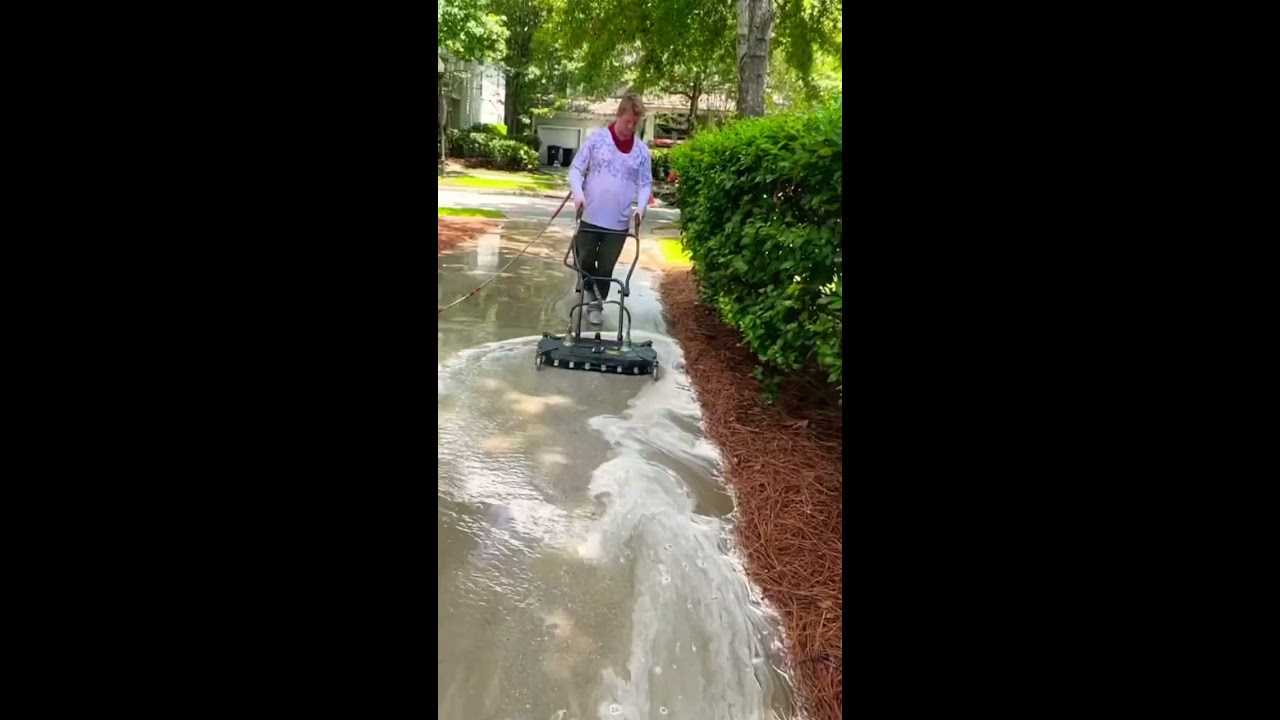
Pressure washing uses pressurized water to dislodge material from a surface. Power washing often refers specifically to equipment that also heats the water, although the terms are commonly used interchangeably. Heated water is not automatically necessary or appropriate for deck cleaning.
On a deck, effective cleaning usually relies on three elements: a compatible cleaning product, sufficient contact time, and a controlled rinse. The cleaner helps loosen or treat biological buildup, while water carries away the residue, dirt, and contaminated debris.
High pressure alone is not the goal. Aggressive spraying can gouge wood, raise fibers, leave lap marks, strip coatings unevenly, and damage some composite products. A professional may use a lower-pressure cleaning method rather than maximum machine output.
Washing also does not sterilize a deck or permanently prevent mold. Outdoor spores remain present in the environment. Long-term results depend on allowing the surface to dry and limiting the conditions that encourage regrowth.
A Safe Deck-Cleaning Process
- Inspect the structure and identify the material. Check boards, steps, railings, fasteners, and visible framing. Determine whether the surface is pressure-treated lumber, cedar, hardwood, composite, or another material, and identify any existing stain or coating.
- Remove furniture and loose debris. Sweep away leaves and dirt, clear accessible gaps between boards without damaging them, and move rugs and planters. Protect nearby electrical equipment and follow equipment instructions for electrical safety.
- Plan plant protection and runoff control. Identify where rinse water will travel. Protect sensitive landscaping as directed by the cleaner’s label, and keep contaminated wash water away from storm drains and surface waters.
- Apply a compatible cleaner. Follow the product label for dilution, protective equipment, contact time, and rinsing. Test an inconspicuous area first. Do not allow a product to dry on the surface unless its instructions specifically permit it.
- Agitate and rinse gently. Where appropriate, use a suitable brush to loosen buildup. Rinse with the least aggressive effective method, working consistently along the boards and avoiding concentrated spraying at close range.
- Inspect after drying. Recheck for remaining growth, raised fibers, coating damage, and hidden deterioration. Address repairs and moisture sources before considering stain or sealer.
Choosing Pressure, Nozzles, and Cleaning Products
Why There Is No Universal Safe Pressure Setting
A single pressure setting is not safe for every Richmond deck. Damage risk depends on wood species, age, condition, nozzle pattern, water flow, distance, and operator technique. A setting that cleans one surface may scar another.
Use the decking manufacturer’s recommendations where available. Broad spray patterns and adequate working distance generally offer more control than narrow, concentrated jets. Avoid using a zero-degree nozzle or aggressive rotating nozzle on deck boards unless a specific approved application calls for it. Start with a test area and stop if the surface begins to fuzz, splinter, or erode.
Cleaners Must Match the Surface
Deck-cleaning products use different ingredients and are not interchangeable. Some oxygen-based cleaners can help remove organic staining, while certain chlorine-based products treat biological growth but may affect wood appearance, metals, plants, or coatings if misused. Composite manufacturers may specify particular products and concentrations.
Follow the label rather than an improvised mixture. Never mix chlorine bleach with ammonia, acids, or other cleaners. Dangerous gases can result. If a product claims to kill mold, use it only according to its applicable label directions; stain removal alone is not proof of disinfection.
A wood brightener is a separate treatment that may be appropriate after certain cleaning or stripping processes. It is not a substitute for removing growth, and it should only be used when compatible with the cleaning and finishing system.
Protecting Richmond Landscaping and Waterways
Deck wash water may contain cleaning chemicals, loosened coatings, sediment, and biological debris. Richmond homeowners should not assume that a nearby street drain carries this water to a treatment facility. Depending on the drainage system, stormwater can reach local waterways with little or no treatment.
Before work begins, ask how the contractor will contain, collect, or otherwise manage wash water in accordance with applicable requirements. The appropriate method depends on the site and contaminants. Older painted surfaces need special care because disturbing lead-containing coatings can create additional exposure and waste-management concerns.
In 2026, checking current local stormwater requirements and product labels remains an essential part of planning the job. A product described as “biodegradable” is not automatically safe to discharge into a drain, stream, or planting bed.
When to Clean and When to Refinish
Choose a period of moderate weather that allows the deck to dry. Rain can interrupt cleaning, while strong sun and hot surfaces can make some products dry too quickly. Freezing conditions introduce additional hazards and are unsuitable for many cleaning applications.
If staining or sealing follows, do not rely solely on how dry the surface looks. Drying time varies with humidity, shade, airflow, wood condition, and rainfall. Follow the coating manufacturer’s moisture and weather requirements, using a suitable moisture meter when recommended.
Cleaning does not always mean the deck needs a new finish. Evaluate the existing coating after the surface dries. Peeling, failed adhesion, or uneven remnants may require preparation beyond a routine wash.
How to Slow Mold Regrowth
Regular maintenance usually provides more lasting value than repeatedly increasing washing pressure. Sweep away organic debris, keep board gaps open, and move planters or furniture periodically so trapped moisture can escape. Clean spills promptly and inspect shaded areas after prolonged wet weather.
Repair leaking gutters and redirect downspout discharge where appropriate. Maintain safe vegetation clearance to improve light and airflow without unnecessarily removing healthy trees. Avoid storing damp materials beneath or directly against the deck, and preserve ventilation around the structure.
Inspect the deck seasonally and clean when conditions justify it rather than following an unnecessarily aggressive schedule. A sunny deck may need less attention than one beneath dense tree cover.
Choosing a Richmond Exterior Cleaning Provider
Look for a contractor who explains the cleaning method, checks the deck material, and discusses existing damage before quoting the work. Ask about insurance, plant protection, runoff management, and whether the proposed process follows manufacturer guidance.
A company offering pressure washing, driveway cleaning, roof cleaning, and house washing should recognize that these services require different methods. Concrete may tolerate techniques that damage wood. Roofing materials often require manufacturer-approved low-pressure treatments, while siding presents its own concerns around seams, vents, and openings.
The best deck-cleaning approach removes surface growth without sacrificing the deck itself. For Richmond homeowners, careful power washing combined with compatible cleaners, necessary repairs, and better moisture control can restore a cleaner walking surface and help keep mold and algae from returning as quickly.
Richmond Pressure Cleaning
Unit 2/420 Church St, Richmond VIC 3121
ph. (03) 4231 7213
Corrections
Spot something wrong? Send it to the desk and it gets fixed in the open.